Seahorse Line Art Coastal Decor Review
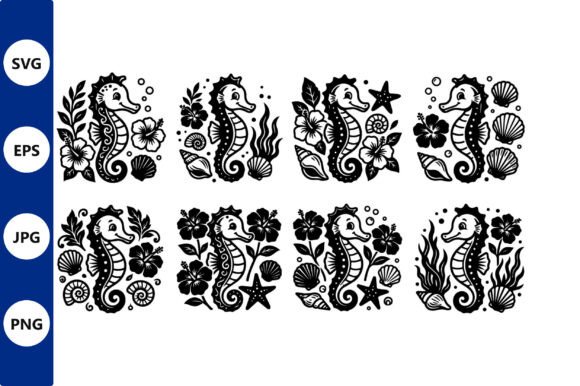
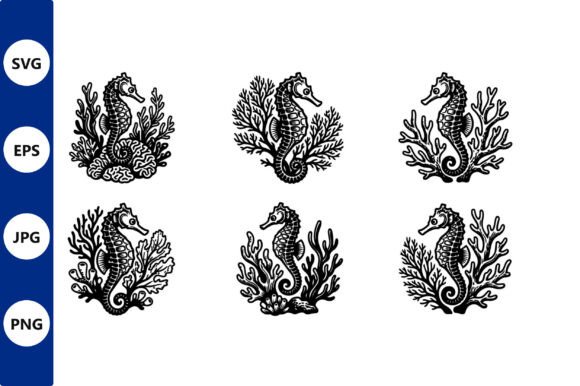
As a designer who has spent years translating digital files into tangible thread, I approach every new asset with a critical eye. When I first opened the file for Seahorse Line Art Coastal Decor, I wasn't just looking at a pretty picture; I was visualizing the needle path, the tension, and how the final stitch would sit on fabric. This piece falls squarely within the Illustrations category, but its application in embroidery requires a specific mindset. The description promises ornate seahorses among coral and seaweed in a bold black and white line art scene. That emphasis on graceful curves and negative space is immediately promising, yet it also raises questions about execution that only real-world testing can answer.
The First Impression: Mood and Visual Weight
The initial view of this design strikes a balance between elegance and structural integrity. Unlike dense floral patterns that can become muddy when stitched, this composition relies heavily on the interplay between line and void. The ornate seahorses are not merely silhouettes; they possess intricate detailing that suggests movement. For an embroidery project, this means the design will likely require a mix of running stitches for the fine lines and perhaps satin stitching for the bolder outlines to ensure visibility.
The mood is undeniably coastal, but it leans towards a sophisticated, modern aesthetic rather than a kitschy beach vibe. This makes it versatile. It feels like a design that could elevate a simple cotton tote bag into a boutique staple or transform a plain linen pillow cover into a statement piece for a nursery. However, the "bold black and white" nature of the source material dictates that color choice in your thread colors will be the single most important variable in your success. If you stick strictly to black thread on white fabric, you risk a harsh contrast that might look unfinished if the stitch density isn't perfect. Conversely, using navy blue on cream or charcoal on oatmeal could soften the lines while maintaining that graphic impact.
Real-World Application: From File to Finished Product
Let's talk about a practical scenario. Imagine you are preparing a custom embroidered tote bag for a local craft fair or an Etsy listing. You need a design that stands out from a distance but rewards closer inspection. Seahorse Line Art Coastal Decor fits this brief well. The graceful curves of the seahorses translate beautifully onto the relatively flat surface of a canvas tote. Because the design emphasizes negative space, the fabric texture shows through, adding depth without requiring excessive thread usage.
I recently considered using a similar graphic for a sweatshirt embroidery project. Here, the challenge shifts. On a fleece or heavy cotton blend, the "line art" aspect must be thickened slightly during digitization to prevent the threads from sinking into the pile of the fabric. If the lines are too thin, the machine embroidery design may struggle to hold up after washing. For a sweatshirt embroidery application, I would recommend placing this design on the chest pocket area where the fabric is flatter, rather than across the shoulders where stretching occurs.
For those creating personalized gifts, such as baby items or holiday decorations, this design offers a gender-neutral option that feels timeless. A kitchen towel featuring these ornate seahorses would look professional and high-end, far surpassing the typical screen-printed options found in big-box stores. The key is ensuring the hoop size accommodates the full composition without cutting off the delicate seaweed elements at the edges. Always check the dimensions of your digital embroidery file against your machine's capabilities before committing to a premium fabric.
Navigating Challenges: Where Caution is Required
While the potential is high, there are specific situations where Seahorse Line Art Coastal Decor requires careful handling. First, avoid using this design on highly textured fabrics like waffle weave or heavy denim unless you use a very strong stabilizer. The intricate details of the coral and seaweed can get lost in the texture of the cloth, making the finished product look messy rather than detailed.
Secondly, be wary of small hoop sizes. The composition includes multiple elements—the seahorses, the coral, and the flowing seaweed. Compressing this entire scene into a 4x4 inch hoop will likely result in overcrowding. The stitch density will increase, leading to puckering and potential thread breakage. If you must use a smaller hoop, consider cropping the design to focus solely on one seahorse, though this alters the intended narrative of the scene.
Another critical consideration is the fabric weight. Thin fabrics, such as lightweight rayon or silk, are risky for this type of line art. The sheer number of needle penetrations required to create the bold lines can weaken the fibers. Always test the design on scrap fabric first. Check the back of the stitching to ensure the stabilizer is holding everything together and that there is no visible show-through on the front.
Design Assets for the Creative Entrepreneur
For the Etsy seller or small shop owner, the value of Seahorse Line Art Coastal Decor lies in its versatility as a brand asset. Because it is a Graphics based illustration, it works exceptionally well for creating printable mockups to showcase your services. You can visualize how the design looks on a cap, an apron, or a patch before you even buy the thread. This saves time and materials, allowing you to present professional options to clients quickly.
If you are planning to sell the finished products, remember to confirm the licensing terms of the embroidery file. Many designers allow commercial use for physical goods but restrict the resale of the digital file itself. Ensuring you have the right permissions protects your business and maintains trust with your customers. A professional presentation starts with legal clarity.
Final Thoughts on Execution and Value
In my experience, the difference between a good embroidery project and a great one often comes down to preparation. With Seahorse Line Art Coastal Decor, the preparation involves respecting the negative space. Do not try to fill every gap with fill stitch; let the design breathe. Use a high-quality running stitch for the finer details to maintain the crispness of the line art.
When executed correctly, this design elevates the perceived value of any handmade product. It signals to the customer that attention to detail matters. Whether you are making a custom apparel piece for a wedding party, a unique embroidered patch for a collector, or a batch of holiday embroidery gifts, this design provides a strong foundation. It is not just a pattern; it is a tool for building a cohesive brand identity around quality and craftsmanship.
Before you start stitching, review your thread colors under different lighting conditions. Compare light and dark fabric backgrounds to see which enhances the curves of the seahorses best. Test it in black and white mockups to gauge the visual weight. By taking these steps, you ensure that your finished product lives up to the promise of the original illustration. This is how we turn a digital download into a treasured physical object.