Tag Shapes SVG Label Templates: A Designer’s Honest Review
First Impressions: Clean, Versatile, and Ready to Customize
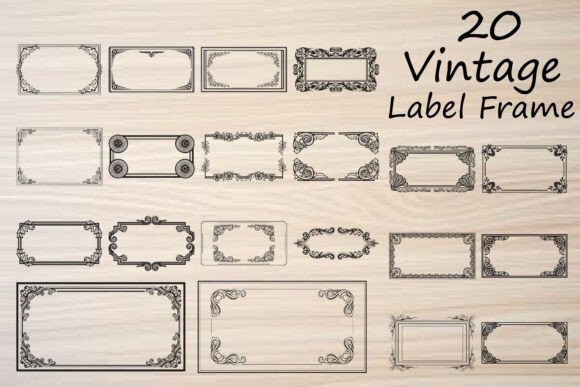
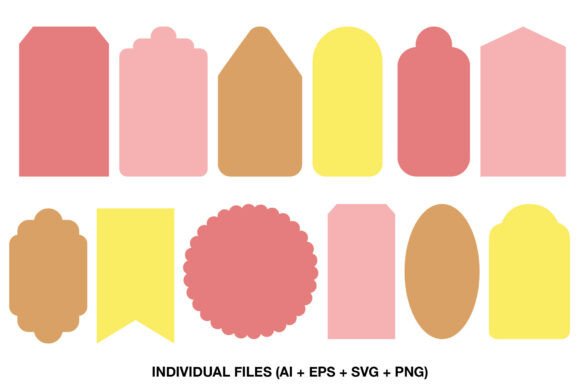
Opening the folder of Tag Shapes SVG Label Templates, I was immediately struck by the clean, minimalist aesthetic. These aren’t flashy or overly detailed—they’re the kind of designs that quietly elevate a finished product without demanding attention. Each of the 12 tag shapes feels intentional, with smooth curves and balanced proportions that suggest they’ll stitch out cleanly on a variety of fabrics. The overall mood is modern and understated, which makes them ideal for crafters and small business owners looking to add a professional touch without overpowering the item itself.
From a design standpoint, these templates are versatile enough to work as gift tags, embroidered labels, or decorative accents. They don’t scream any one season or trend, which is a big plus for anyone selling on Etsy or at craft fairs—they’ll stay relevant across multiple product lines and customer preferences.
Real-World Use: From Tote Bags to Baby Clothes
I tested a few of the tag shapes on different embroidery projects, starting with a custom tote bag. I resized one of the simpler tags to fit a 4x4 hoop and stitched it onto a natural cotton tote using a medium-density fill stitch. The result was crisp and clean—no distortion or thread bunching, even in the corners. The shape held up well and gave the bag a boutique-style finish that customers would definitely notice.
Next, I tried one of the more elongated shapes on a baby onesie. The satin stitch outlines held up nicely on the soft knit fabric, though I did use a lightweight stabilizer to prevent puckering. It added a subtle, personalized touch that felt both handmade and high-quality. For Etsy sellers or boutique brands, this kind of detail can make a big difference in perceived value.
I also stitched a few of the tags onto a patch design for a client’s small shop branding. The versatility of the shapes allowed me to integrate text and small icons without crowding the design. They worked well as frames or borders, giving the patch a polished, intentional look that felt cohesive with the brand’s aesthetic.
Where to Use with Caution
While the Tag Shapes SVG Label Templates are impressively adaptable, there are a few scenarios where you’ll need to proceed carefully. One thing I noticed is that the more detailed corners can get lost on very small hoop sizes. If you’re planning to use them on tiny items like keychains or mini ornaments, test them on scrap fabric first to make sure the details don’t collapse into a blob of stitches.
Dark fabrics also require some thought. Since these are essentially outline and fill shapes, you may want to consider adding a backing or using a lighter thread color to ensure the design stands out. I tested one on black cotton and found that without a contrasting thread, the tag blended in too much—it still stitched cleanly, but it lacked visual impact.
Stretchy fabrics like jersey or performance materials also need a bit more attention. I found that using a light tear-away stabilizer helped maintain shape integrity, especially around the curved edges. If you’re embroidering on a cap or curved surface, be sure to hoop the fabric tightly and test how the shape lays after stitching.
Design Impact: Elevating Your Finished Product
One of the biggest strengths of these tag shapes is how they enhance the overall presentation of a handmade or custom item. They add a level of polish that makes even simple projects feel more professional. Whether it’s a tote bag sold at a craft fair or a personalized sweatshirt for a client, these templates help elevate the product from “DIY” to “designed.”
From a customer perspective, that kind of attention to detail builds trust. People notice when something feels intentional, and these tags subtly communicate care and craftsmanship. For Etsy sellers and small shop owners, that’s a huge win—especially in competitive markets where presentation can be the deciding factor.
They’re also great for branding consistency. If you use the same tag shape across your product line—whether it’s on a gift tag, an embroidered label, or a digital mockup—it creates a visual thread that customers will recognize and remember. That kind of subtle repetition builds brand identity without being pushy or overt.
Practical Notes for Embroidery Designers
- Test on scrap fabric first—especially if you’re resizing or using on textured or stretchy materials.
- Check thread color contrast on both light and dark backgrounds to ensure visibility and visual appeal.
- Review stitch density before stitching on delicate or thin fabrics to prevent puckering.
- Confirm hoop size compatibility—some of the larger tags may require a 5x7 hoop or bigger depending on your machine.
- Inspect small corners and details after stitching to make sure they’re holding up cleanly.
- Try black and white mockups to see how the shape reads without color distractions.
- Use proper stabilizer based on your fabric type—lightweight for soft materials, heavier for dense stitching.
- Verify licensing before using in commercial embroidery or digital product sales—make sure you’re covered for both personal and business use.
Final Thoughts: Worth the Investment for Crafters and Sellers
Overall, the Tag Shapes SVG Label Templates are a solid addition to any embroidery designer’s toolkit. They’re not flashy or overly complex, but that’s exactly what makes them so useful. These are the kind of foundational elements that can be reused across dozens of projects, from custom apparel to digital mockups, without ever feeling repetitive.
If you’re a small business owner, Etsy seller, or craft entrepreneur looking to add a professional touch to your products, these templates are worth the investment. They help elevate your finished items, create visual consistency, and give your work that extra bit of polish that customers notice.
Just remember to test them on your specific materials and machines before diving into a big project. Once you’ve confirmed how they stitch out in your workflow, you’ll find yourself reaching for them again and again—whether you’re making a personalized gift, a boutique-style tote, or a branded patch for your next product line.